Cascina Gilli started in 1983, when Gianni Vergnano had the intuition to invest in the territory, believing in the potential of the land around Castelnuovo Don Bosco.
He believed not only in the unique context of the land of the Monferrato, but in the entire panorama of winemaking in the Piedmont.
The very first bottles to be released, in 1985, received favourable mention in the first edition of the Gambero Rosso ‘‘Vini d’Italia“ wine guide. From then on the company never stopped believing in the potential of indigenous grapes.
The authentic voice of the land
Since 1983, Cascina Gilli has been cultivating native varieties in its vineyards with deep roots in the area’s wine-growing history.
It is an act of unconditional faith in the wine-growing potential of an area with a long and unbroken agricultural history, with the mission of enhancing the strong territorial identity of the northern Asti region and of Castelnuovo Don Bosco through wines that express the most authentic characteristics of the area.

Freisa d’Asti
Freisa d’Asti is the veritable queen of Cascina Gilli. The history of this variety starts in the 16th century, as documented in the customs records of Pancalieri, where it was classified among the fine wine varieties, with twice the value of ordinary wine.
The first specific descriptions of ‘Freisa’ date back to the late 18th century, when Count Giuseppe Nuvolone-Pergamo, director of the Experimental Garden of the Reale Società di Agricoltura in Turin, listed it among Piedmont’s top-quality black grapes.
In the 19th century, cultivation of Freisa was intensified due to its resilience against blight; the variety became predominant around Turin making Freisa one of the most renowned bottle wines in demand in the city. Even in the area surrounding Asti, Freisa was widely spread and appreciated.
Today, Freisa has become a veritable signature variety of the area, the bearer of a deep historical heritage and associated with wines of great structure and longevity.
Cascina Gilli was born with Freisa; today, it keeps following, with careful research and refinement, the intuition of Gianni Vergnano, who immediately invested in it, vinifying it pure, still, as early as 1985, with the first bottle of Il Forno.
Since the early 2000s, Cascina Gilli has been collaborating with other producers in the area in a project of continuous experimentation with the aim of exploring the potential of this indigenous grape variety, through in-depth studies of its characteristics and winemaking methods, under the supervision of the experimental winery in Chieri of the University of Turin.

Barbera
Barbera, a grape variety widespread throughout Piedmont, finds fertile ground to give its best in the province of Asti.
In the area of Castelnuovo Don Bosco, its cultivation was once marginal due to the excessive rainfall that characterised the region until the 1990s, a weather condition particularly hostile to the variety’s typical fine skin; with the progressive drop in rainfall of recent years, the hills of northern Asti have gradually become an ideal environment for this variety.
The evolution of winemaking techniques and the unfaltering commitment to research have allowed Cascina Gilli’s Barbera d’Asti to win international acclaim from the critics right from the start.
Cascina Gilli’s Barbera has a distinctive and intense fruit bouquet, combined with an enveloping texture, good structure, enveloping warmth and delicate tannins. These characteristics are expertly balanced by a pleasant freshness, the result of the special soil conditions in which the vines grow.

Malvasia di Schierano
A variety with a special aromatic character, more delicate than Malvasia Lunga, Malvasia di Schierano has always been iconic of Cascina Gilli’s local production.
Over the years, an important collaborative project has been run in close partnership with the Faculty of Agriculture of the University of Turin. With Prof. Schneider and Prof. Mannini, careful ampelographic studies were carried out to identify the authentic clones of this historic native grape variety.
Academic studies were then crossed with the ancient and irreplaceable experience of Castelnuovo Don Bosco winemakers, who were able to tell and reveal invaluable details about the production history of Malvasia di Schierano.
Thanks to this work, Cascina Gilli has been able to proceed with the planting of selected vineyards in the field, able to produce quality grapes, with the selection of clones taken from vineyards that, according to the historic local producers, generated the most interesting wines.
Since 2019, thanks to a research project carried out alongside Cantina Sperimentale del Bonafous in Chieri, Cascina Gilli has also proudly produced a sparkling version of pure Malvasia di Schierano. It is a unique product that fully enhances the aromatic characteristics of this grape variety with a strong territorial identity.

Bonarda Piemontese
Cultivated on these hills since the 19th century, Bonarda Piemontese is deeply rooted in this land.
Over the years, the survival of this specific native vine has been severely affected by climatic and phytopathological adversities. In the memory of local producers, however, Bonarda has maintained its reputation as a much-loved wine with a typical longevity and aromatic complexity.
Cascina Gilli has always invested in the preservation and promotion of this indigenous grape variety, with the aim of preserving its authenticity and restoring it to its former glory.
Bonarda grapes are small, oval and covered with a pruinose patina, varying in colour from blue to almost black. These prized grapes produce wines of delicate character, with an extraordinary bouquet of aromas and an elegant envelopment on the palate.

Nebbiolo
In the rich panorama of native wine varieties in the northern Asti area, there is a historical connection to the cultivation of Nebbiolo, which has been present for centuries in this small area next to the province of Turin. Albugnano DOC is a unique interpretation of Nebbiolo, which is a far cry from the structure of the Langhe’s production and the gravity of the more northern regions’ equivalent.
Since 2017, Cascina Gilli has proudly been part of the Albugnano 549 project, an initiative led by oenologist Gianpiero Gerbi dedicated to the study and enhancement of Nebbiolo in the Albugnano DOC area, of which Cascina Gilli is becoming a leading interpreter.
Here, Nebbiolo is made of light and air. We are at a very high altitude, on lean, white soils; Cascina Gilli’s Nebbiolo is particularly notable for its special character, a body that is not too heavy, and aromas and great dynamism prominent in the mouth, obtained thanks to a brilliant balance of acidity and tannin.
Year after year, Cascina Gilli continues to work to research how best to extract the unique characteristics of a strongly territorial Nebbiolo with a fascinating expressiveness, which wants to touch the sky with its intrinsic airiness.
A heart of chalk
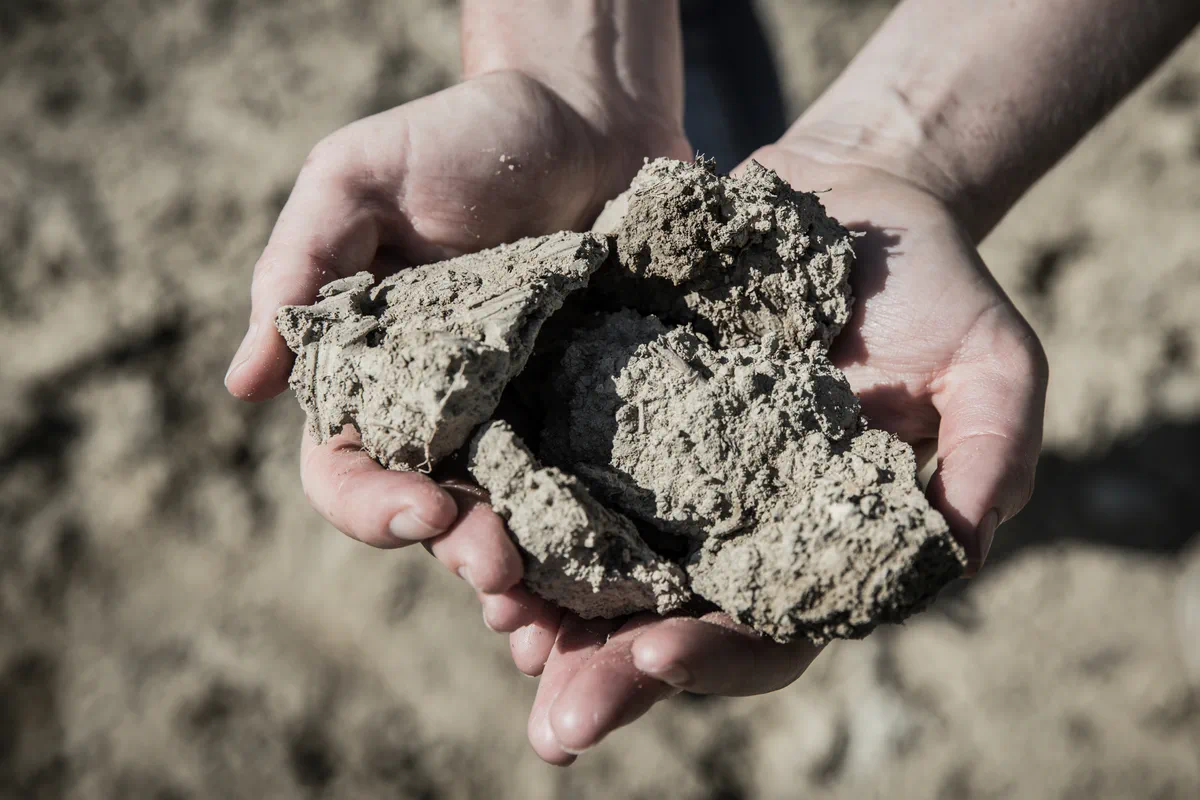
Between the Monferrato and Turin hills, the territory from which our wines hail has peculiar characteristics.
The soil under the vineyards is quite antique and originated between 5 and 10 million years ago. Here merged the waters of the great prehistorical rivers: the meeting of debris with the sulphurous wells gave birth to the gypsum that today makes up most of the soil in this area.
The ground is mainly made of different kinds on sand and white soil, a marly system with a white streak from the gypsum source at the heart of these lands.
Here, the Sant’Agata Marls, a grey and light blue type of marls formed between 11 and 7 million years ago characterized by silt and clay, enrich the lands so that the wines have an intense perfume and an elegant body.
The vineyards
In such heterogeneous context, Cascina Gilli own 11 hectares of vineyards. Each vineyard has its own variety planted depending on the land and the kind of exposure it gets. We count three main areas between them: Bricco Gilli, Cornareto e Schierano.
Bricco Gilli
Placed in Castelnuovo Don Bosco, surrounding the winery, Bricco Gilli is the historical vineyard belonging to Cascina Gilli. It consists in 5 hectares used for red grapes, grown using the espalier system and arch pruning.
The lands here are of the marl type, of medium consistency, and with elements of silt, clay and sand.
Always used for vine growing, Bricco Gilli is known for its good adaptability to change which results in heighted quality through time.
The native vine variety of Malvasia from Schierano was recovered from this vineyard through a thorough mass selection in the oldest vineyards.
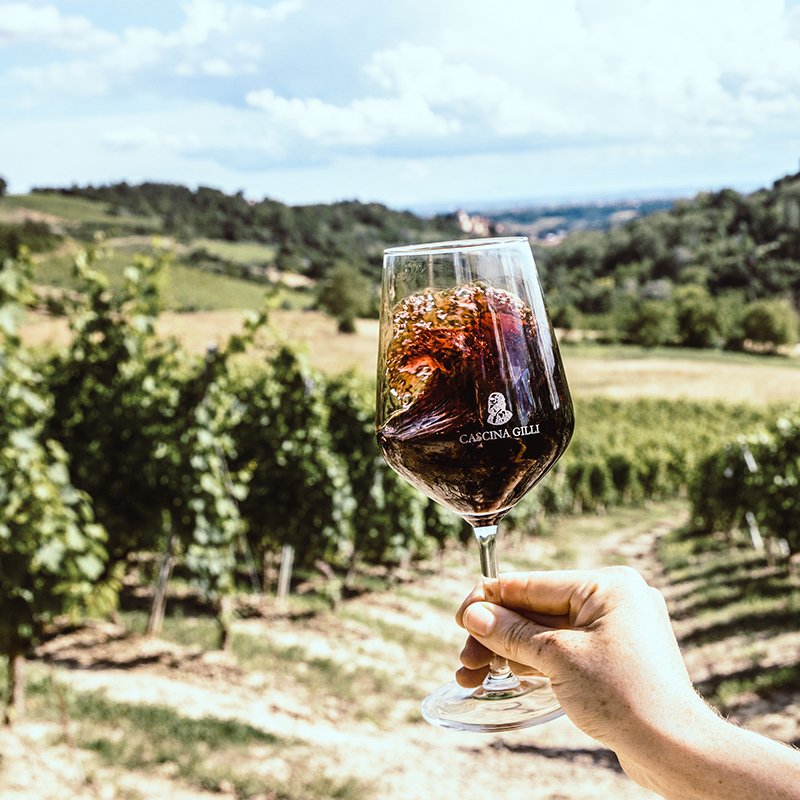
“Il Forno” vineyard, homage to Freisa
On Bricco Gilli, at a 350 hight, the Bakery Vineyard can be found, the oldest belonging to Cascina Gilli.
Under vines of Freisa since the beginning, with plants aged even 80 years old, The Bakery Vineyard holds the original ad authentic DNA of Cascina Gilli, as from here comes the first single vineyard, from which the first still Freisa was produced in 1985.
Exposure: South and South-west
Height and position: 300 – 350 mt above sea level
Grown Varieties: Malvasia from Schierano, Malvasia Nera Lunga, Freisa
Soil: Silt, medium texture, sub-alkaline
Cornareto
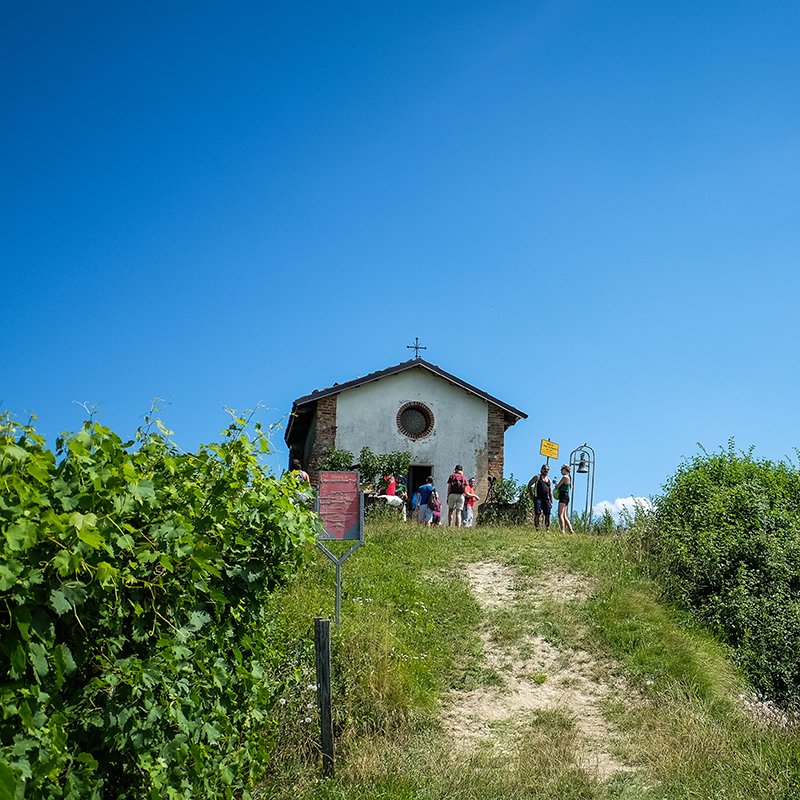
Overlooked by an extraordinary hill covered in vines, we may find a slip of land that looks on the valley known as “Valle del Romanico Astigiano”. Here Cascina Gilli grows 3 hectars of vineyards and the land is known as Cornareto.
The land, here, is mostly sandy, loose and dry, and the vineyards on it are 30 years old, mostly Malvasia from Schierano and Freisa.
Exposure: South and South-East
Height and position: 300 – 360 mts above sea level
Grown Varieties: Malvasia from Schierano, Freisa
Soil: loose, mostly sandy
Schierano
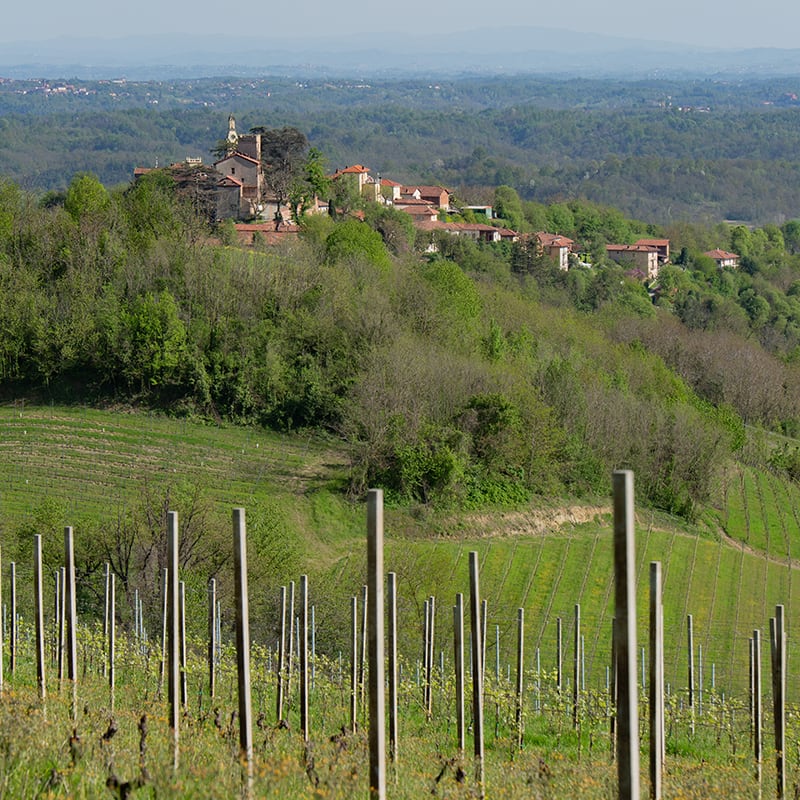
Not far from Cascina Gilli, in the small town of Passerano Marmorito, we find Schierano, where we grow 3 hectars of Barbera and Nebbiolo vines.
Its high sides are characterized by their white soil, marly and calcareous, which bestow a unique and complex mineral flavour on our wines from Schierano.
The vineyard position, facing south and south-west, is optimal to get the best sun exposure; the ripening is consequently more regular, and the wines get a greater aroma.
Exposure: South and South-West
Heght and position: 400 – 420 mts above sea level
Grown Varieties: Barbera and Nebbiolo
Soil: Of marly origin, calcareous
The art of observing, the patience of waiting
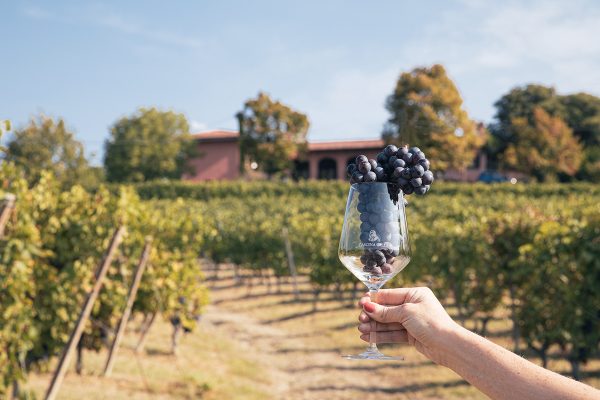
At Cascina Gilli, the wines are born from a philosophy, in the vineyard and in the cellar, that has always respected two fundamental mantras: full ripeness of the grapes, maximum extraction of the varietal characteristics.
We are devoted to the art of observing what the vineyard expresses, an ancient language made up of signs that we know well. We bring the grapes home at the time the plant requires, carefully following the lignification of the stalk, phyllotaxis of the basal leaves and desiccation of the tendrils. It is a scientific approach, yet deeply rooted in farming tradition, that allows us to obtain grapes at the perfect degree of ripeness, the first step in obtaining wines that reveal the soul of each variety and its deep territorial identity.
One of the keys to the processing method at Cascina Gilli is long maceration, a process that allows us to extract the full expressive potential of native grape varieties. Intense macerations are our secret for allowing the grapes to express themselves at their best in the tank; we use pumping over and delestage techniques with the sensitivity of someone who knows how to read the signs given out by the grapes and how to extract everything they offer us.
In the cellar, simplicity and craftsmanship are our guides. All operations are carried out by hand and the vinification is done separately for each batch. We have developed different approaches for each wine, based on ancient knowledge perfected over the years through continuous research: a flexible, expert and respectful approach, with the aim of allowing each of the indigenous varieties we cultivate to express its authentic voice.
Team
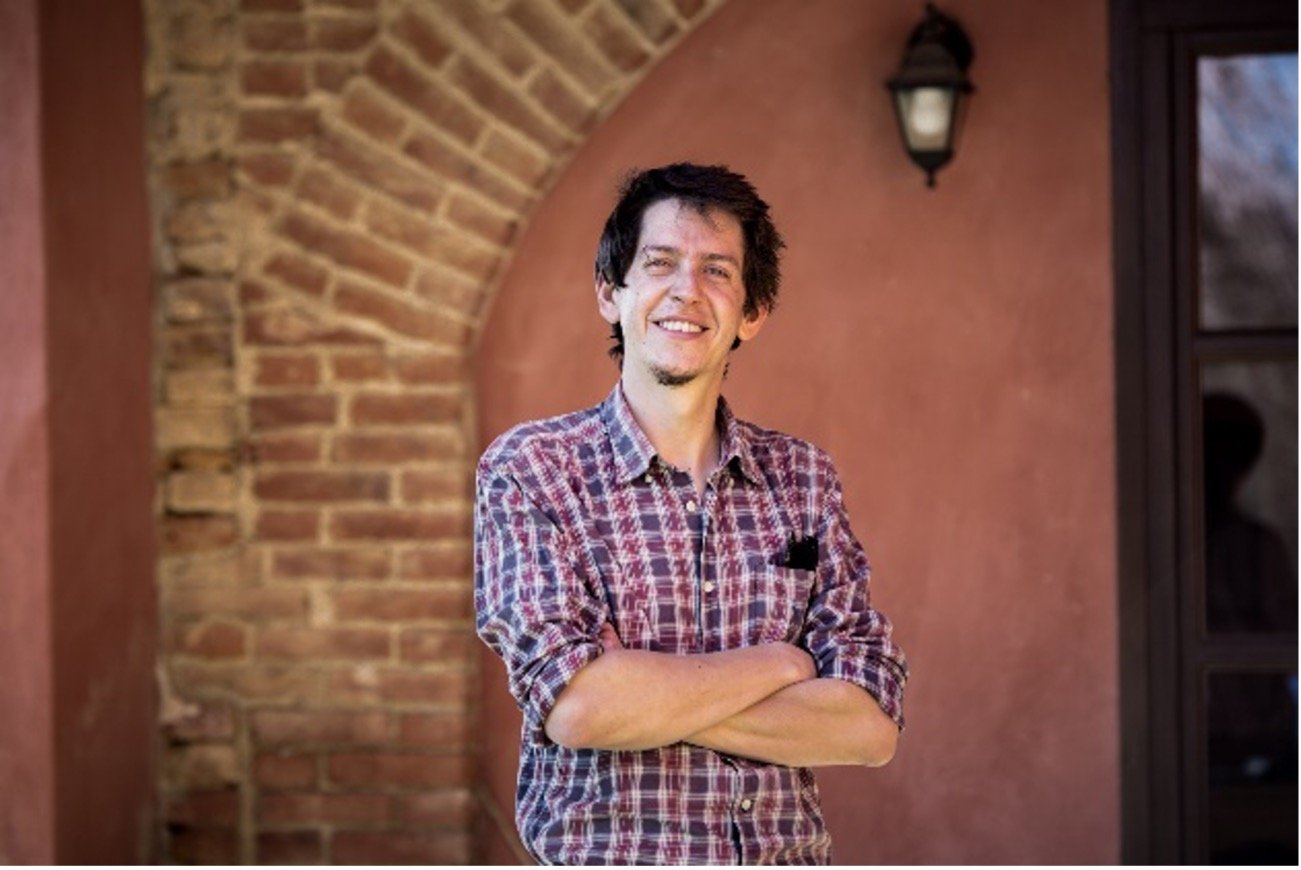
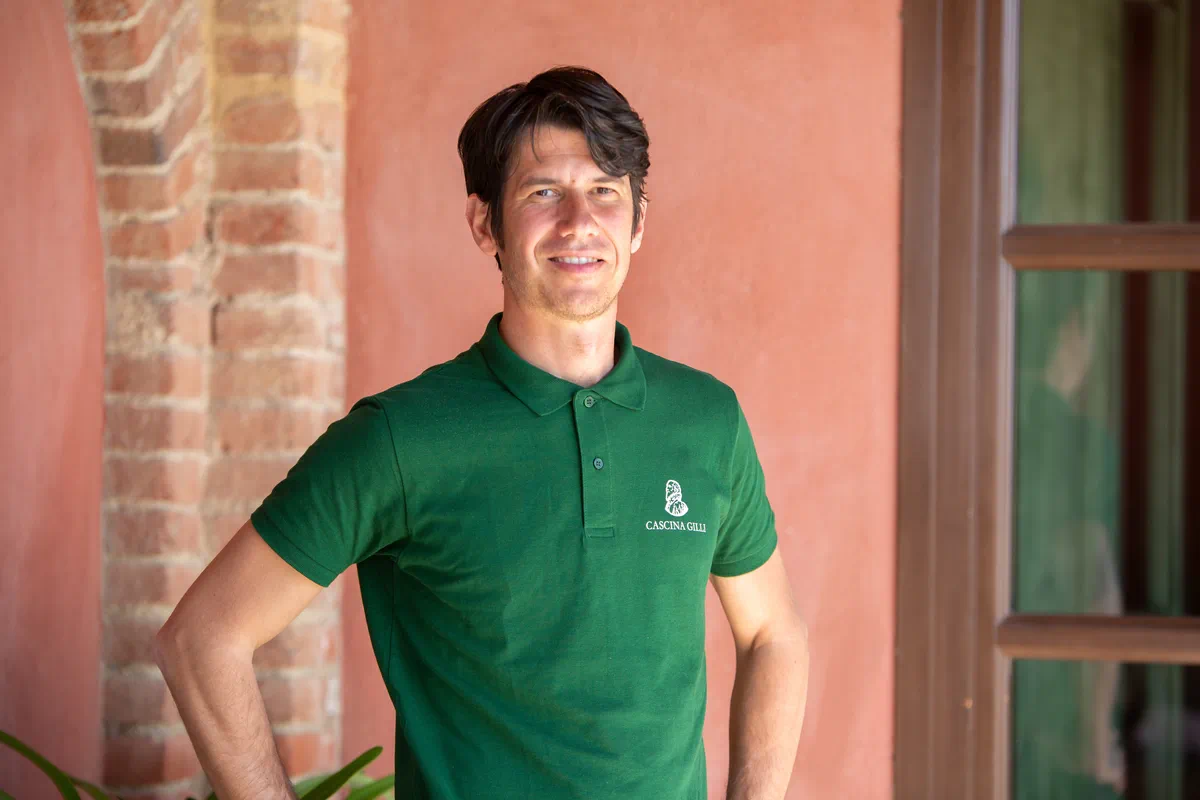
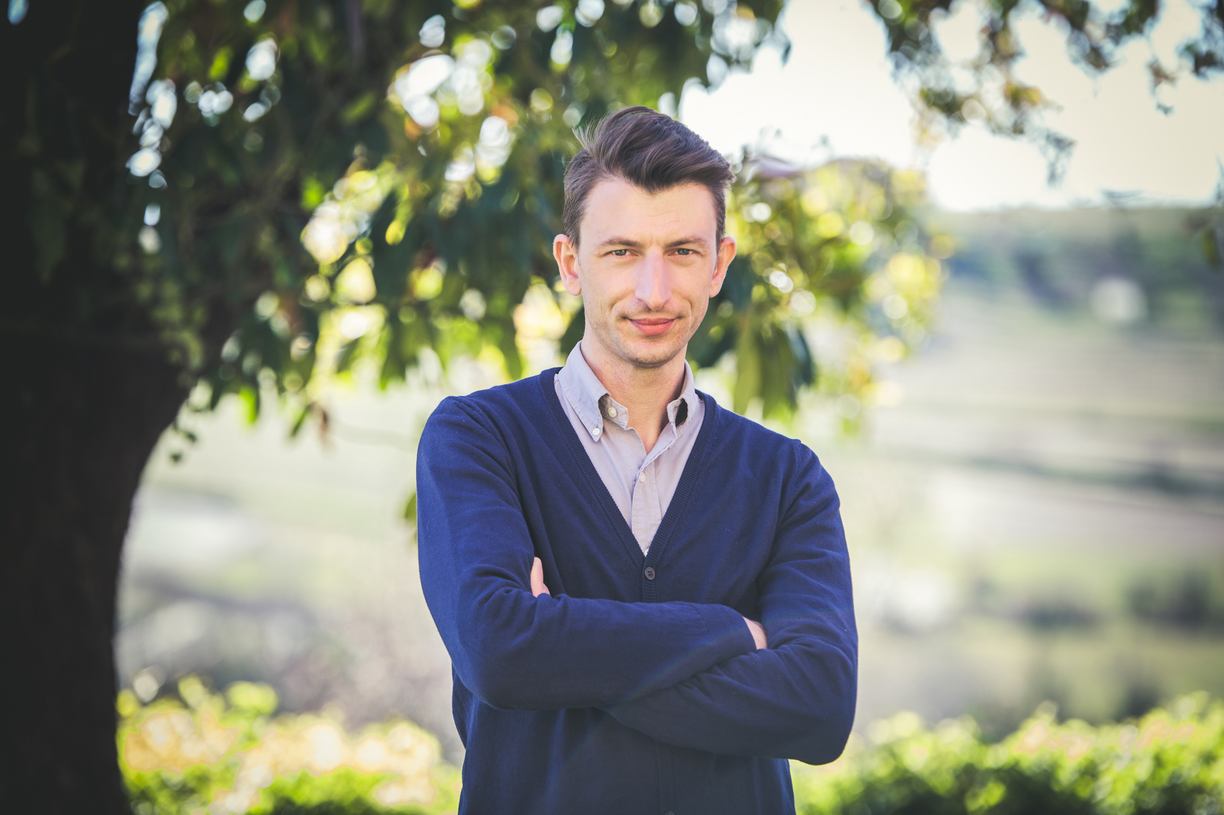
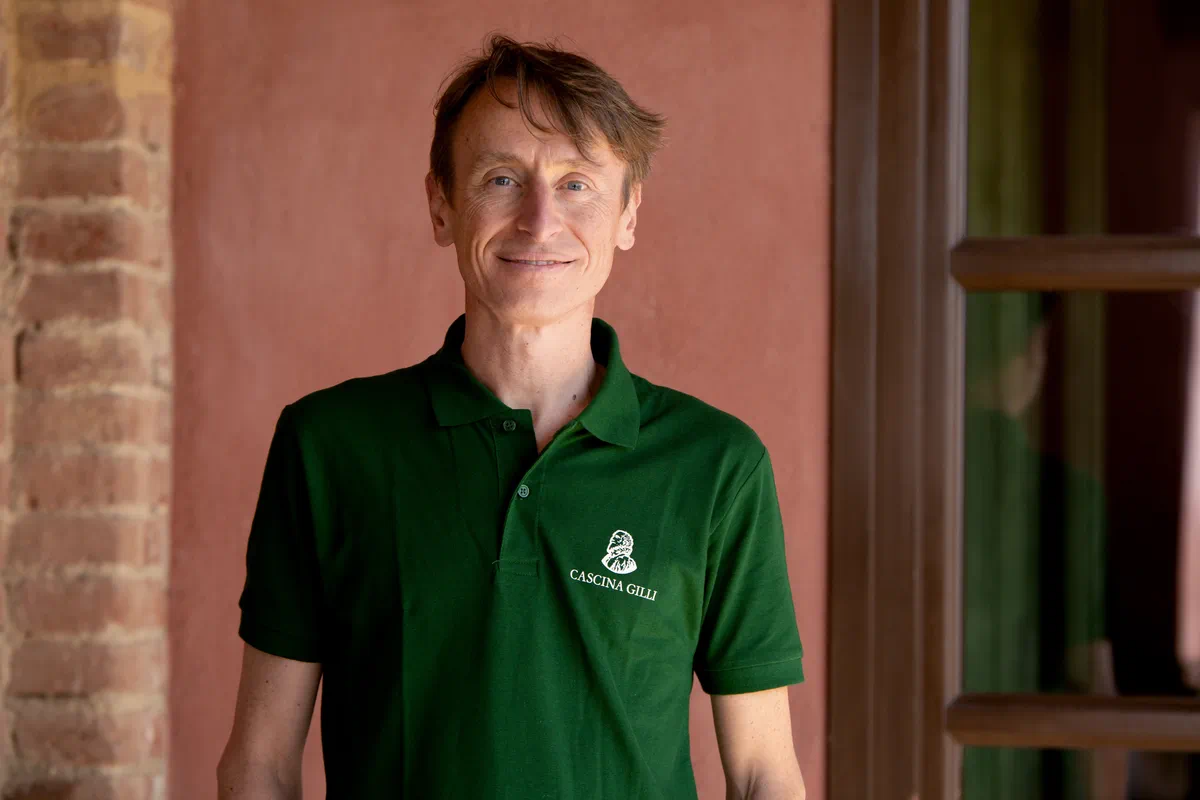
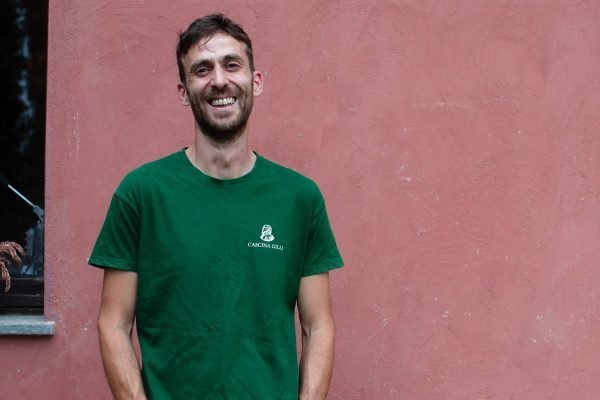
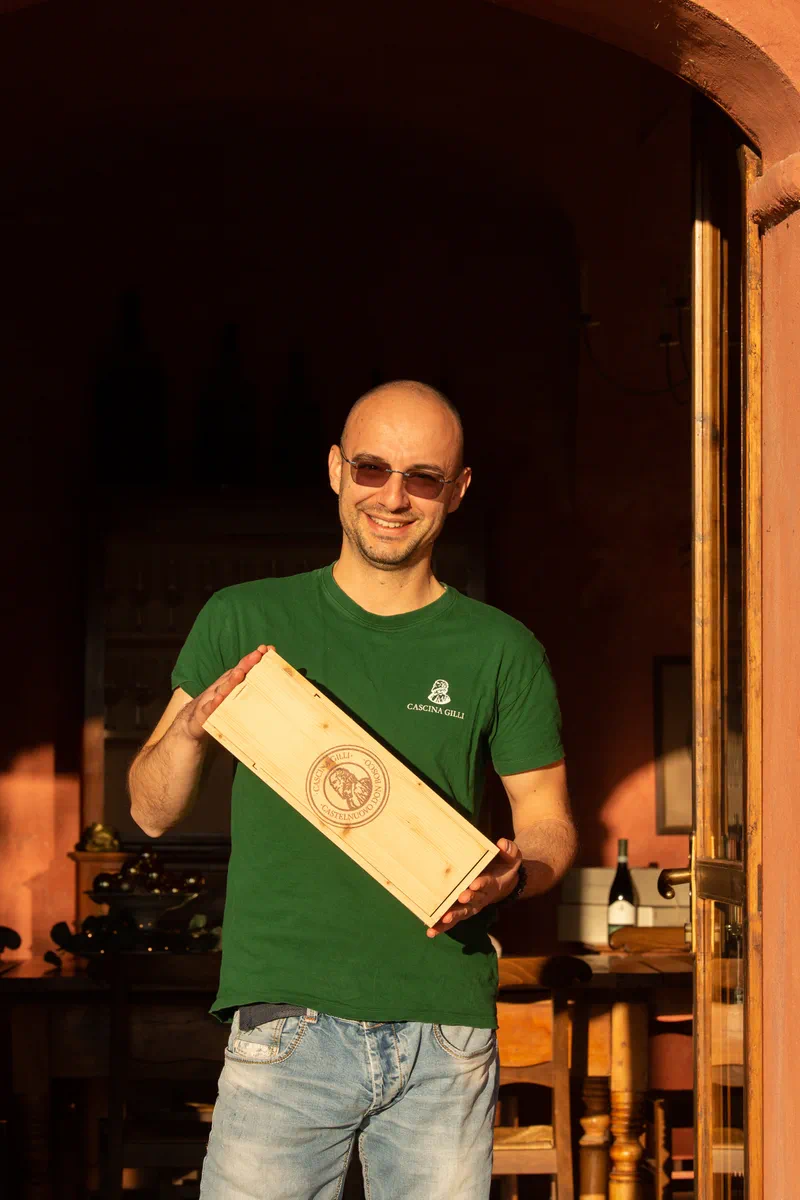
Today a new young team takes on Gianni and Cascina Gilli ‘s vision: his son Paolo Vergnano manages the winery with Davide Gasperini e Federico Mussetto, keeping the enterprise historic ambition while striving to grow.
Gianpiero Gerbi, a young enologist who started his very career in Cascina Gilli, leads an enologic project of research strictly linked to the territory. Giovanni Matteis helps him with his thirty years long experience with the production process.
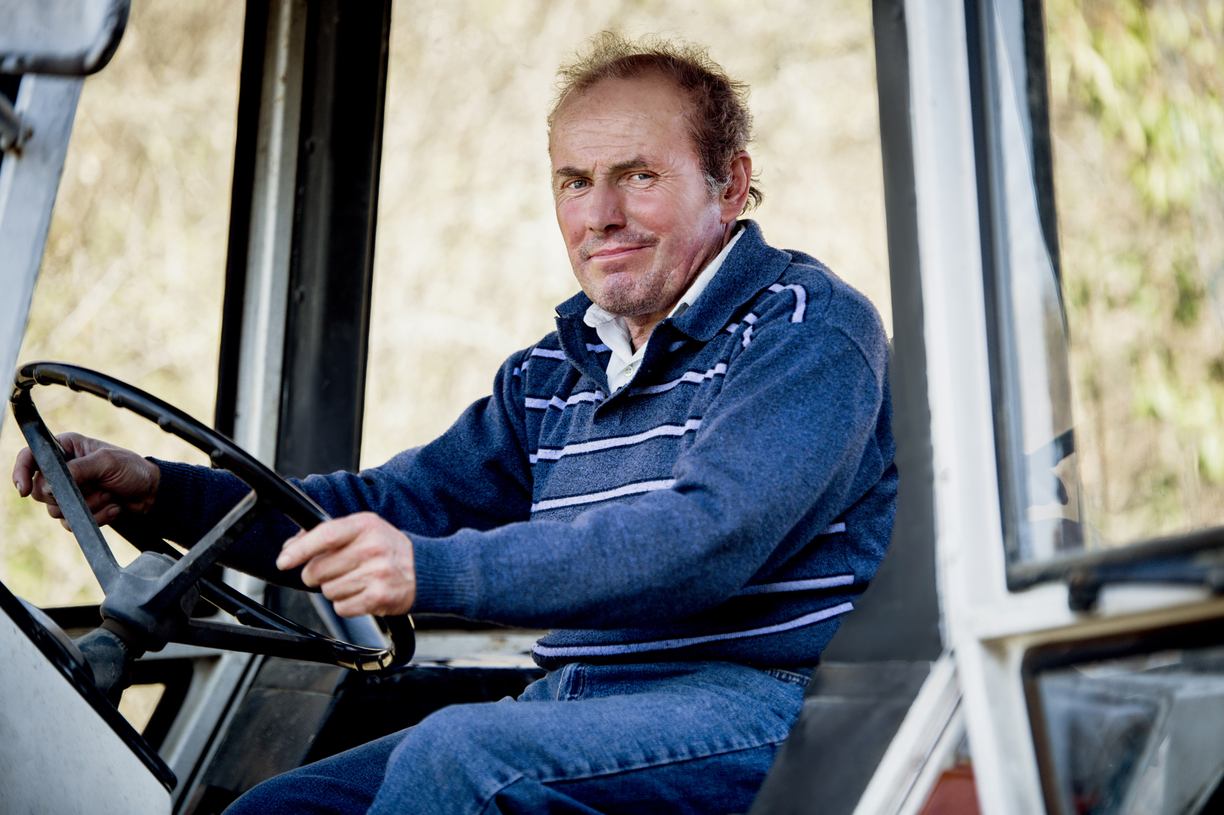
Ruben Casarotti takes care of the vineyards, following each cycle carefully: starting from growing and pruning techniques, to soil management and the harvest coordination. The agronomist Daniele Dellavalle supports him and manages the processes following the SQNPI certification for a “sustainable quality”.
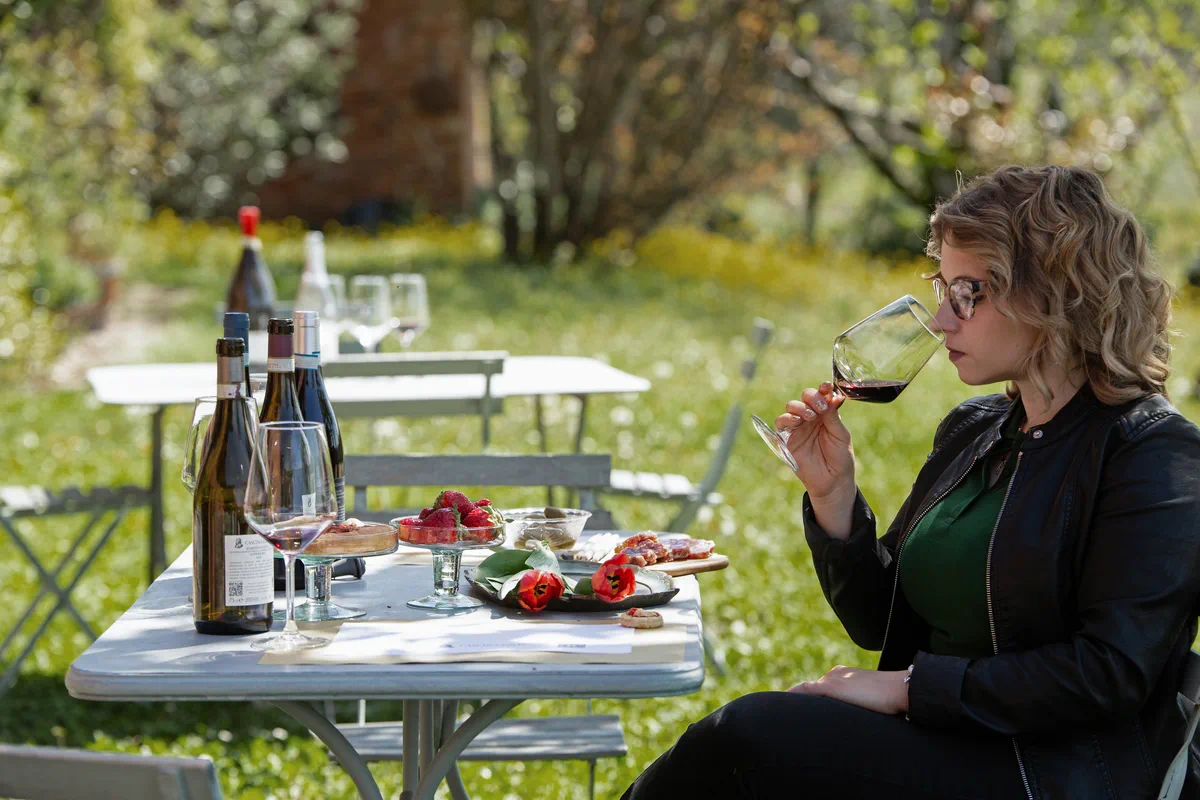
Katia Gazzola, an enthusiast sommelier with long standing career in the enotourism and marketing world, coordinates the hospitality and commercial aspects in our winery.
Fabio Sorbara e Cristina Roccati manage the offices and the wine shop. Young and passionate, they take care of our costumers with professionalism in the convivial environment of Cascina Gilli, a place where to linger and talk about wine, its countless stories and its territories.